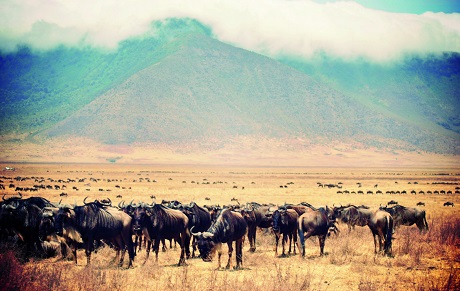
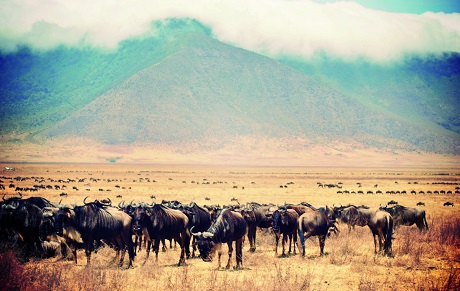
It’s almost that time again! The biggest African spectacle is about to unfold with over 1.5 million wildebeest, 350,000 Thomson’s gazelles, 200,000 zebra and 12,000 eland starting their migratory path from the Serengeti plains across the Mara River where crocodiles await patiently in anticipation of their biggest feast of the year. This migration is one of the seven natural wonders and a truly amazing sight to behold.
Best time to go:
Typically the migration generally begins in early April, May and June, when the calves are strong enough to start the migratory movements from the Serengeti. From June/July the wildebeest, Zebra’s and gazelle’s gather in the Western Corridor of the Serengeti National Park and in August/September they cross the Grumeti River and head towards the Maasai Mara in Kenya. From October the animals begin to move back into the Serengeti

The Masai Mara hosts over 95 species of mammals and 570 recorded species of birds. It is a year round destination with the big cats, and all the big game still in the Maasai Mara Ecosystem outside of the migration. Nowhere in Africa is wildlife more abundant, and it is for this reason that almost every visitor has a pretty good chance of spotting all of the Big Five (buffalo, elephant, leopard, lion, and rhino).

How big is the park and how to get there:
The Masai Mara National Reserve covers 1,510 sq km (580 sq miles) and rises up at 1,500-2,170 meters above sea level. Its easily accessed from Nairobi and you can view this park for three days & two nights on many of our tours – the Kenya & Tanzania Adventure, Mountain Gorillas to the Mara, Masai Mara & Lakes just to name a few.

Written by: Michelle Lewis, Acacia Sales & Marketing