
Here is the final 5 of the top 10 reasons to visit Africa.
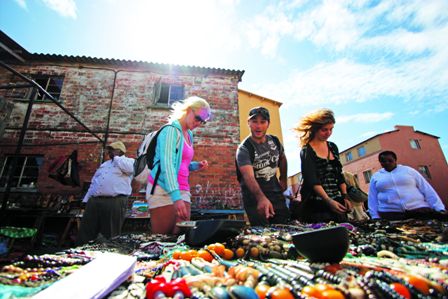
Shop in a local market:
One of the best ways to immerse yourself in local culture, watch the local artisans at work and glimpse the continent through its tastes and smells and sounds. Apart from picking up a bargain or two, you are also making a difference to the community by supporting the local economy, not to mention getting a chance to practice your bartering skills and learn a few words in a few new languages. Whether you are tasting a local craft beer in Cape Town, bartering for wooden artifacts in Malawi, getting a pair of shoes made in Tanzania or sampling some food at the night market in Zanzibar, shopping in local markets is truly a exhilarating buying experience.
Be adventurous:
Just getting on the plane to come over to Africa feels adventurous in itself but when you arrive you find that there are countless opportunities for those who want to live on the wild side to indulge. Victoria Falls is the adventure capitol of Africa with activities like bungee jumping, swimming in the Devils Pools at the edge of the falls, white water rafting down the wildest rapids on earth, and then finish your day sipping a cool drink at the edge of the Zambezi River while hippos and crocodiles drift past. Whether surfing the wild coast of South Africa or sand boarding down the dunes in Namibia, Africa is sure not to disappoint even the most adventurous traveller out there.

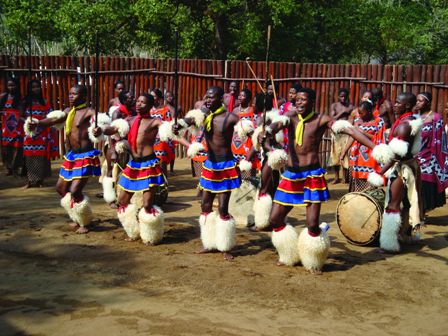
Attend a local festival – religious, food, music:
Africa is the continent of tribes & although modernisation is quickly spreading across at least the cities of Africa, many of the festivals & traditional rites are still celebrated. From harvest festivals & rites of passage to international music, film & arts festivals & internationally regarded food & wine festivals, joining the celebration of your choice is easier than you think…and more rewarding than you can imagine
Try local cuisine:
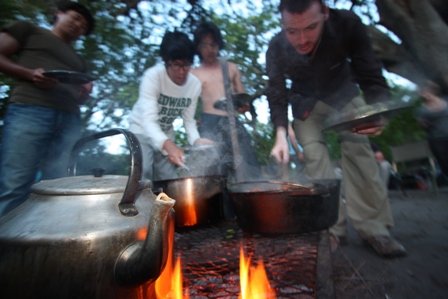
Although the food of each region & group varies greatly depending on their surroundings & cultures, there are common threads that run through the oft overlooked ritual of sharing food. In most cultures, for example, no meal no meal would be complete without a starchy porridge (known as fufu, ugali, pap, iwisa, sadza or mealie meal, depending where you are or where you’re from) or rice bread. Southern Africa is sometimes called ‘the rainbow cuisine’ as the food in this region is a blend of many cultures – the indigenous African tribal societies, European and Asian. Eastern African offers an Arabic influence reflected in the Swahili cuisine of the coast – steamed cooked rice, seafood with spices in Persian style, use of saffron, cloves, cinnamon and several other spices and coconut milks. Sampling the local cuisine in Africa is sure to have your imagination running wild.
Culture Interaction:
Nothing beats coming to Africa and meeting the locals. With well over 500 tribes still spread across the continent there is no place in the world that can compare. Visit the Maasai warriors in Kenya and Tanzania and see their amazing culture and their dazzling dress attire. Visit the Bushmen that live in the Kalahari Desert – the oldest inhabitants of Southern Africa or partake in a tribal song and dance around an open fire. This vast, diversely cultured continent steeped in traditions, with inhabitants that still value strong connections to their ancestors, this magical continent will leave an everlasting impression.

Blog written by: Michelle Lewis & Sophia Vos, Acacia Africa Sales/Marketing & Reservations team